
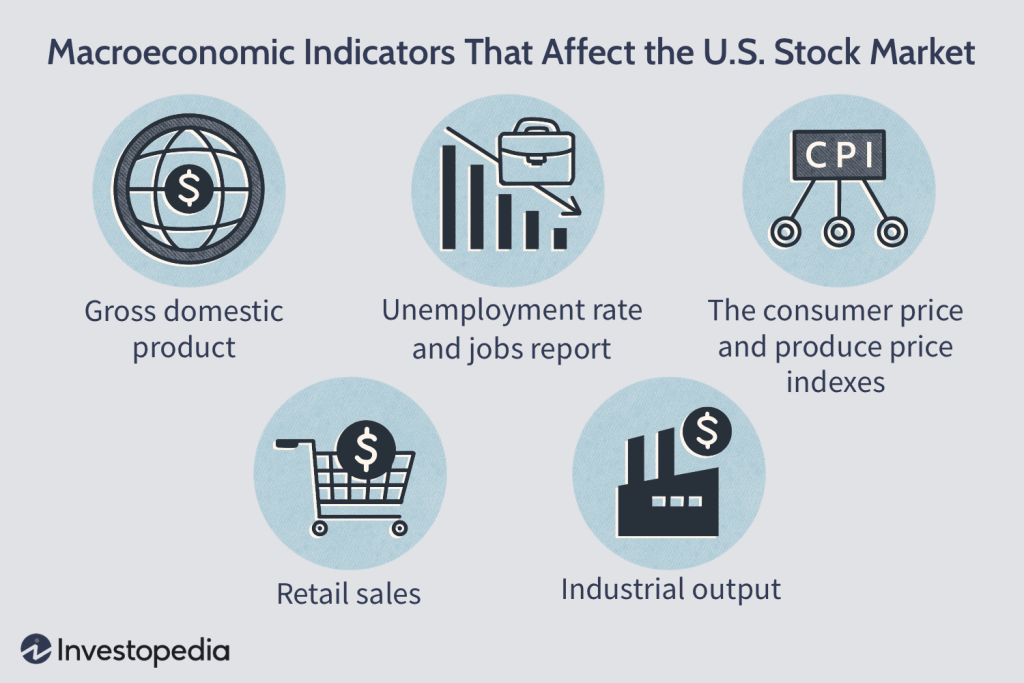
The U.S. stock market is currently navigating through turbulent waters, with investor sentiment deteriorating rapidly amid rising economic uncertainty. Recent macroeconomic indicators have painted a concerning picture, leading to increased volatility in the markets and heightened anxiety among retail investors. The combination of fluctuating inflation rates, shifting interest rates, and a strong dollar has created an environment ripe for panic selling.
As we approach the earnings season, many are closely watching how major tech companies will report their financial results. Historically, this sector has been a bellwether for broader market trends; however, recent forecasts suggest that growth may be slowing down. According to Bloomberg, analysts are projecting lower earnings growth for the technology sector compared to previous quarters. This could signal a shift in investor focus from high-growth tech stocks to more stable sectors such as energy and consumer staples.
The Federal Reserve’s monetary policy continues to play a critical role in shaping market dynamics. With interest rates remaining elevated in response to persistent inflationary pressures, borrowing costs have risen significantly. This has led to concerns about consumer spending and business investment, both of which are crucial for sustaining economic growth. As noted by Reuters, the central bank’s commitment to controlling inflation may further dampen investor sentiment if it leads to an economic slowdown.
Moreover, the strength of the U.S. dollar is another factor contributing to market unease. A robust dollar can negatively impact multinational corporations’ earnings by making their products more expensive overseas. This dynamic is particularly relevant for large-cap tech firms that rely heavily on international sales. Analysts at Morgan Stanley have highlighted that currency fluctuations could pose significant risks during this earnings season.
In terms of sector rotation, there appears to be a growing trend towards defensive investments as investors seek refuge from potential downturns in high-risk assets like tech stocks. Energy stocks have gained traction recently due to rising oil prices driven by geopolitical tensions and supply chain disruptions. As reported by CNBC, energy companies are expected to benefit from higher commodity prices, making them attractive options amidst broader market volatility.
Institutional flows also reveal shifting preferences among investors who are increasingly favoring ETFs focused on value stocks over traditional growth-oriented funds. This pivot indicates a cautious approach as institutional players reassess risk exposure in light of uncertain economic conditions.
The current landscape presents both challenges and opportunities for retail investors navigating these turbulent times. While fear may drive some towards panic selling, others might find value in sectors poised for resilience against macroeconomic headwinds.
For readers seeking deeper macro coverage and exclusive insights into emerging investment opportunities during this volatile period, extended commentary is available via this link.