
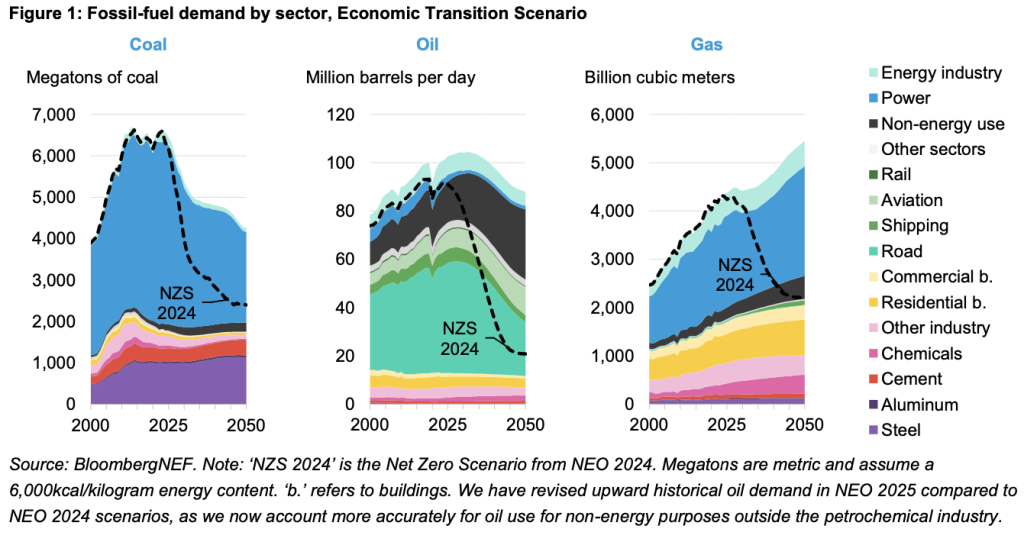
The intersection of artificial intelligence and inflationary pressures is increasingly influencing the U.S. stock market, particularly in the context of sustainable investing. As machine learning algorithms evolve, they are not only optimizing trading strategies but also reshaping how investors assess environmental, social, and governance (ESG) factors. The recent surge in inflation has prompted a reevaluation of asset valuations across sectors, especially those heavily reliant on fossil fuels versus emerging clean energy technologies.
In light of the Biden administration’s ambitious climate agenda, which includes significant investments in renewable energy and infrastructure, traditional high-emission industries are facing mounting pressure to adapt or risk obsolescence. This shift is evident as companies with robust ESG ratings are increasingly rewarded by investors seeking long-term stability amidst economic uncertainty. According to Bloomberg, firms that prioritize sustainability are witnessing enhanced capital flows as institutional investors align their portfolios with climate-conscious mandates.
The transition towards clean energy is not merely a policy-driven phenomenon; it reflects a broader market trend where high-carbon assets are being revalued under new risk assessments. The implications for investment strategies are profound. For instance, renewable energy stocks have outperformed traditional energy stocks significantly over the past year as investors recalibrate their expectations based on future cash flow potential rather than historical performance metrics.
Machine learning algorithms play a crucial role in this transformation by analyzing vast datasets to identify patterns that human analysts might overlook. These algorithms can assess the impact of ESG factors on company performance more accurately than ever before. As noted by Reuters, firms leveraging AI for predictive analytics are better positioned to navigate the complexities of supply chain disruptions exacerbated by inflationary pressures and geopolitical tensions.
On the social front, companies that demonstrate strong labor policies and supply chain responsibility are attracting attention from both consumers and investors alike. The pandemic has underscored the importance of corporate governance structures that prioritize stakeholder interests over short-term profits. Investors are increasingly scrutinizing how companies manage their workforce and supply chains in an era marked by heightened awareness around social justice issues.
The issuance of green bonds has surged as corporations seek to finance sustainable projects while appealing to environmentally conscious investors. Recent data indicates that green bond issuance reached record levels in 2023, reflecting growing demand for financial instruments linked to positive environmental outcomes. This trend aligns with findings from CNBC, which highlight how institutional funds are pivoting towards sustainable investments amid regulatory pressures aimed at reducing carbon footprints.
As institutions grapple with evolving ESG regulations and fiduciary responsibilities, their asset allocation strategies are undergoing significant changes. High-profile investment firms such as Goldman Sachs and Morgan Stanley have publicly committed to integrating ESG criteria into their investment processes, recognizing that sustainability is no longer just a niche consideration but a fundamental aspect of risk management.
This shift towards sustainable capital allocation is further reflected in valuation dynamics across sectors. Companies demonstrating strong governance practices—such as transparent reporting and diverse board structures—are commanding higher valuations compared to those lagging behind in these areas. The premium associated with high-governance firms underscores a growing recognition among investors that good governance correlates with lower risk profiles.
In conclusion, the interplay between AI advancements and inflationary trends is reshaping investment landscapes within U.S. markets through an ESG lens. As machine learning continues to refine our understanding of market dynamics, it will be essential for investors to remain vigilant about how these forces influence asset pricing across various sectors—from traditional energy sources facing obsolescence to innovative clean technology ventures poised for growth.
For deeper insights into sustainable capital allocation strategies amidst evolving market conditions, explore our dedicated resources on ESG investing at here.