
The U.S. stock market is currently navigating a complex landscape shaped by shifting economic signals. As we approach 2025, investors must remain vigilant to adapt their strategies in response to evolving macroeconomic indicators such as inflation, interest rates, and employment trends. The Federal Reserve’s recent decisions have heightened market volatility, prompting a reevaluation of investment approaches among middle-class professionals aged 28 to 45 who seek to balance their work commitments with effective investment strategies.
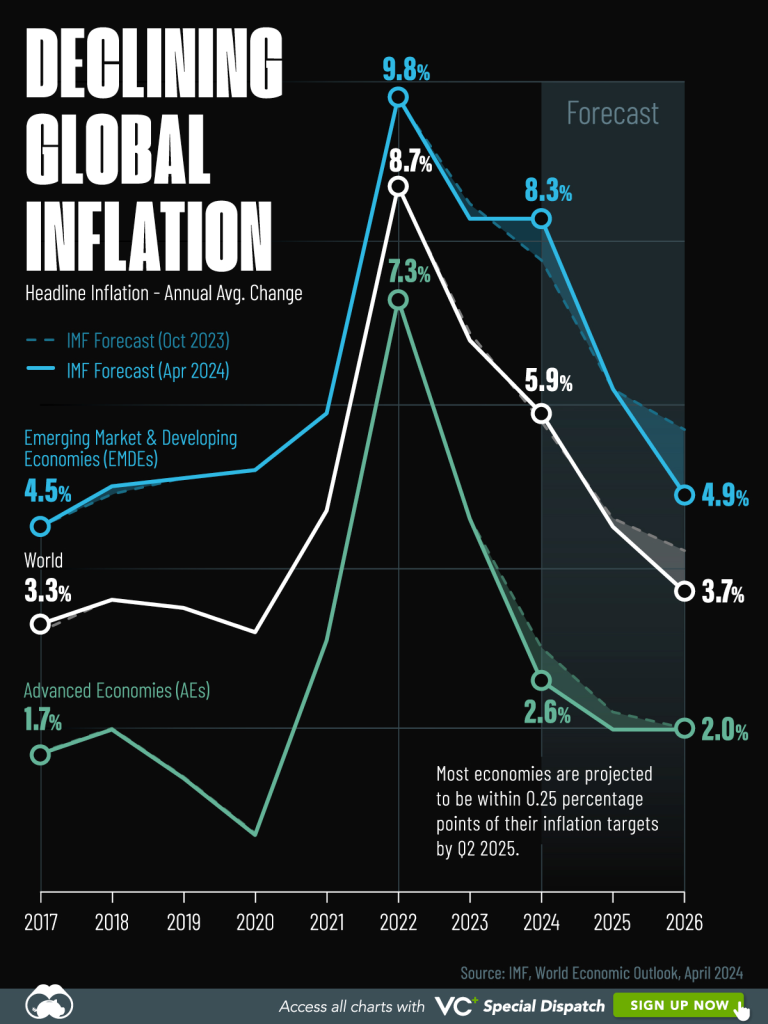
Recent data indicates that inflation remains persistent, albeit at a slower pace than earlier this year. The Consumer Price Index (CPI) has shown signs of stabilization, but core inflation continues to challenge policymakers. This backdrop creates a delicate balancing act for the Fed as it contemplates future interest rate adjustments. According to Bloomberg, expectations are building around potential rate hikes in early 2025 if inflation does not show further signs of abating. For investors, this means reassessing asset allocations and considering sectors that may thrive in a higher-rate environment.
The technology sector has been particularly dynamic amid these shifts. Companies leveraging artificial intelligence and cloud computing are experiencing robust growth trajectories, attracting significant institutional capital. High-profile firms like Microsoft and NVIDIA have demonstrated resilience even as broader market indices fluctuate. Analysts from CNBC suggest that tech stocks could continue to outperform due to their innovative capabilities and strong earnings potential, making them attractive options for those looking to optimize returns while managing risk.
Moreover, the energy sector is witnessing renewed interest as geopolitical tensions influence oil prices and supply chains. With OPEC+ maintaining production cuts amidst rising global demand, energy equities present an intriguing opportunity for investors seeking diversification away from traditional growth stocks. Reports indicate that funds are increasingly flowing into energy ETFs as investors hedge against potential supply disruptions and capitalize on price recoveries.
As we analyze these trends through the lens of institutional perspectives, firms like Goldman Sachs emphasize the importance of strategic asset allocation in navigating upcoming market shifts. Their research highlights the necessity for investors to remain agile—shifting focus between sectors based on macroeconomic signals rather than adhering strictly to historical performance patterns.
The dollar’s strength also plays a crucial role in shaping investment decisions going forward. A stronger dollar can impact multinational corporations’ earnings while influencing commodity prices globally. Investors should consider how currency fluctuations might affect their portfolios—especially those heavily weighted toward international equities or commodities.
In summary, the current economic landscape presents both challenges and opportunities for middle-class investors aiming for steady returns amidst uncertainty. By staying informed about macroeconomic indicators and industry trends—particularly within technology and energy sectors—investors can position themselves strategically for potential market shifts ahead.
For readers seeking deeper macro coverage, extended commentary is available via this link.