
he current landscape of the U.S. stock market is a vivid tapestry woven from the threads of investor psychology, macroeconomic indicators, and sector-specific dynamics. As we navigate through this turbulent environment, understanding the interplay between facts, emotions, and behaviors becomes crucial for identifying potential investment opportunities. Recent reports from Bloomberg highlight how shifting narratives around inflation and interest rates are influencing investor sentiment and behavior.
At the heart of this market chaos lies a fundamental truth: prices are not merely reflections of underlying value but rather manifestations of collective emotions and behaviors. The recent uptick in volatility can be attributed to a combination of fear and greed—a classic tug-of-war that often leads to irrational decision-making among investors. This phenomenon is particularly evident in sectors like technology and energy, where speculative fervor has driven valuations to dizzying heights.
Behavioral finance provides us with valuable insights into these emotional undercurrents. For instance, the fear of missing out (FOMO) has propelled many retail investors into high-flying tech stocks despite their inflated valuations. Conversely, loss aversion has kept others anchored to underperforming assets, unwilling to realize losses even as market conditions shift. According to CNBC, this divergence in behavior between institutional players—who tend to act more rationally—and retail investors creates unique opportunities for those who can navigate these psychological waters effectively.
The Role of Narrative Economics
Narrative economics plays a pivotal role in shaping market sentiment. The stories we tell ourselves about economic prospects influence our investment decisions significantly. Currently, narratives surrounding artificial intelligence (AI) are driving substantial capital flows into tech stocks, while fears about rising interest rates are weighing heavily on growth sectors. This dichotomy illustrates how powerful narratives can lead to mispricing across different sectors.
As institutions recalibrate their strategies in response to changing economic signals—such as employment data and Federal Reserve policies—their actions create ripples throughout the market. Institutional investors have been observed reallocating funds towards cyclical stocks that stand to benefit from an economic recovery, while simultaneously pulling back from overvalued growth names that may face headwinds as borrowing costs rise.
Understanding Sector Rotation
The concept of sector rotation is essential for discerning where hidden gems may lie amid current market chaos. As risk appetites shift due to macroeconomic pressures—like fluctuating interest rates or inflationary concerns—certain sectors inevitably outperform others. For example, during periods of rising rates, financials often thrive due to improved net interest margins while growth sectors may falter under pressure.
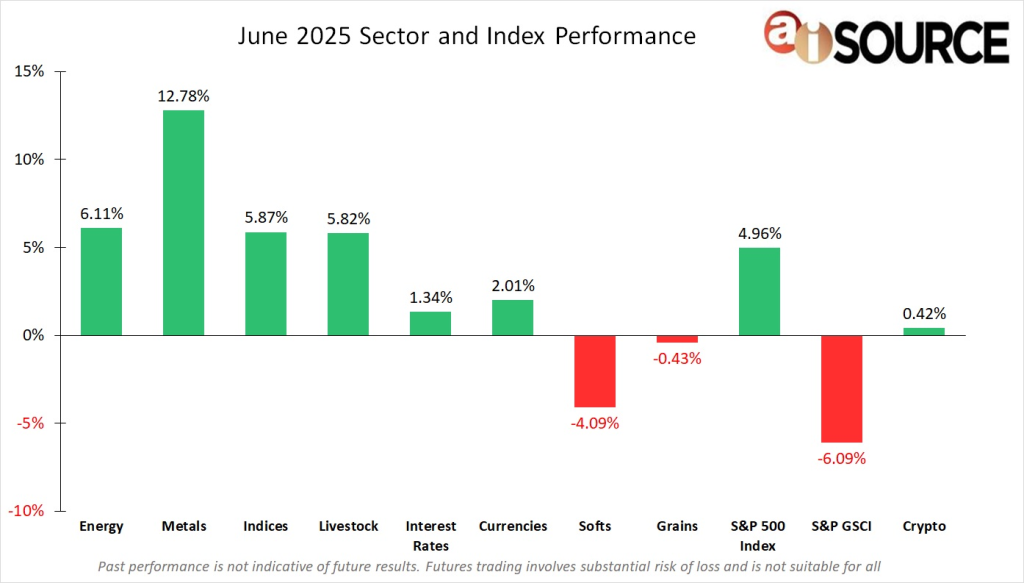
This cyclical nature underscores the importance of monitoring liquidity trends within various sectors. Recent data indicates that capital is flowing towards energy stocks as geopolitical tensions elevate oil prices; meanwhile, technology shares are experiencing outflows as investors reassess their risk exposure amidst tightening monetary policy (as noted by Reuters). Understanding these dynamics allows savvy investors to position themselves advantageously before broader trends take hold.
Institutional vs Retail Behavior
The behavioral differences between institutional and retail investors further complicate this landscape. Institutions typically leverage extensive research capabilities and risk management frameworks that allow them to make informed decisions based on empirical data rather than emotional impulses. In contrast, retail investors often succumb to herd behavior—buying into popular narratives without fully understanding the underlying risks involved.
This disparity presents both challenges and opportunities for individual investors seeking stable returns amidst volatility. By recognizing when institutional flows indicate a shift in sentiment or strategy—whether it’s moving into defensive positions or embracing cyclical recovery plays—retail investors can align their portfolios accordingly.
Conclusion: Navigating Market Sentiment
In conclusion, navigating today’s complex stock market requires an acute awareness of both macroeconomic factors and behavioral finance principles at play. Investors must remain vigilant about shifting narratives while also being mindful of their own psychological biases that could cloud judgment during critical decision-making moments.
For readers seeking broader behavioral-finance commentary, further analysis can be found via this link.