
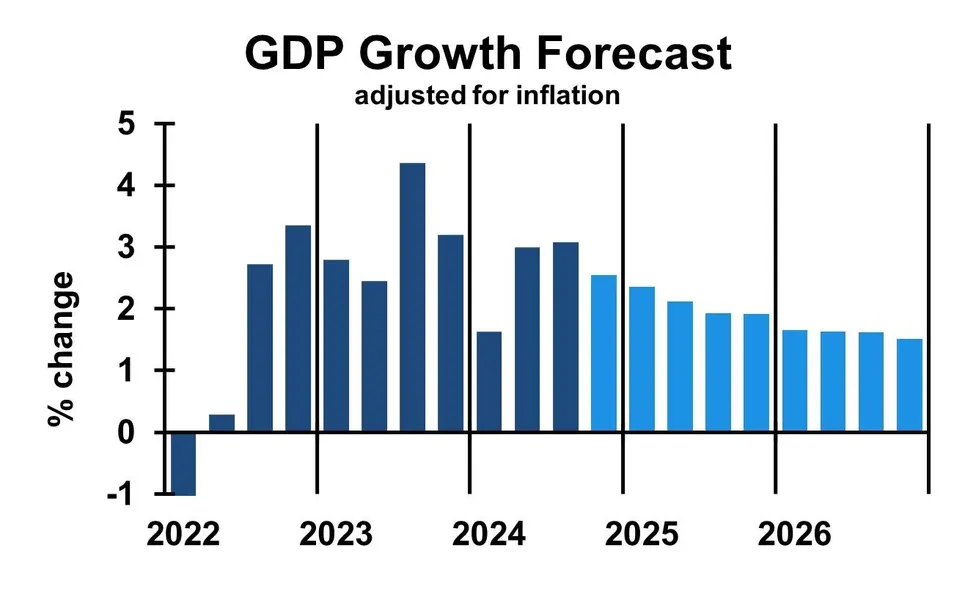
The U.S. stock market is currently navigating a complex landscape shaped by shifting economic signals, which are crucial for investors seeking to optimize their portfolios. As we approach 2025, understanding these signals becomes imperative for middle-class professionals aged 28 to 45 who have been investing for two to ten years. The interplay between inflation, interest rates, employment figures, and the strength of the dollar will significantly influence investment strategies moving forward.
Recent data indicates that inflation remains a persistent concern, with consumer prices rising at a rate that has prompted the Federal Reserve to maintain its hawkish stance on interest rates. This environment creates both challenges and opportunities for investors. For instance, sectors such as technology and energy are experiencing varied impacts due to differing sensitivities to interest rate changes. High-growth tech stocks have historically thrived in low-rate environments; however, as borrowing costs rise, valuations may come under pressure.
The energy sector presents an intriguing case study amid these macroeconomic shifts. With geopolitical tensions affecting oil supply chains and pushing prices higher, companies in this sector could see substantial gains. According to Bloomberg, energy stocks have outperformed other sectors recently due to rising demand and constrained supply dynamics. Investors should consider reallocating funds towards energy assets while remaining cautious about potential volatility stemming from fluctuating commodity prices.
Moreover, the dollar’s strength plays a pivotal role in shaping investment decisions. A robust dollar can dampen exports but also makes imports cheaper, influencing corporate earnings across various sectors. As reported by CNBC, multinational corporations may face headwinds if currency fluctuations impact their bottom lines adversely. Therefore, investors must remain vigilant regarding currency trends when assessing international investments.
Institutional flows provide another layer of insight into market sentiment and potential future movements. Recent reports indicate that large institutional investors are increasingly favoring defensive stocks over cyclical ones as they brace for potential economic slowdowns. This shift suggests a broader risk-off sentiment among major players on Wall Street—a trend worth noting for individual investors looking to align their strategies with prevailing market conditions.
As we decode these economic signals, it becomes clear that diversification remains key in navigating this uncertain landscape. Investors should explore exchange-traded funds (ETFs) that focus on sectors poised for growth while balancing exposure across different asset classes to mitigate risks associated with volatility.
In conclusion, understanding the nuances of current economic indicators is essential for making informed investment decisions in today’s dynamic environment. By keeping an eye on inflation trends, interest rate policies, sector performance variations, and institutional behaviors—investors can position themselves strategically for what lies ahead in 2025.