
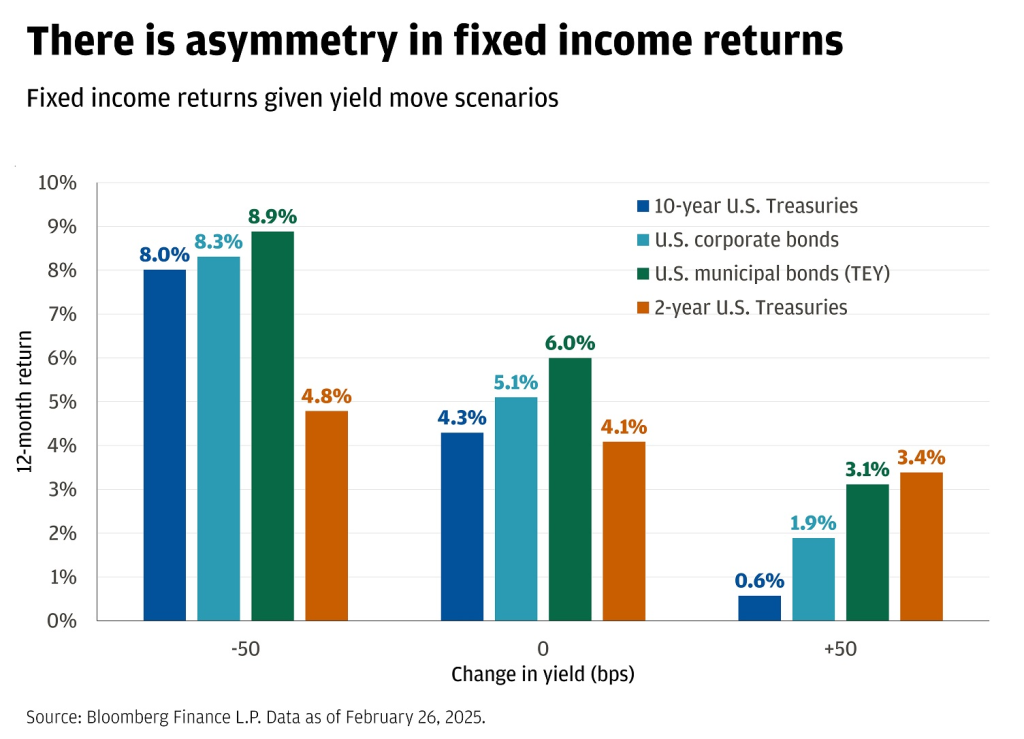
The current divergence in bond markets has raised critical questions for institutional investors regarding asset allocation strategies. As yields fluctuate and risk premiums adjust, the implications for equity markets become increasingly complex. The interplay between fixed income and equities is not merely a matter of interest rates; it reflects broader macroeconomic trends that are shaping investor behavior and market dynamics.
Recent reports indicate that the Federal Reserve’s stance on interest rates remains pivotal. With inflationary pressures showing signs of moderation, there is speculation about potential rate cuts in 2024. This environment creates a unique backdrop for assessing risk appetite among institutional investors. According to Bloomberg, the current yield curve suggests a cautious optimism among bondholders, yet this sentiment contrasts sharply with equity valuations that appear stretched relative to historical norms.
In examining cross-asset pricing frameworks, we observe a notable shift in duration preferences among asset managers. The recent volatility in long-term bonds has prompted many institutions to reassess their exposure to duration risk. A preference for shorter-duration instruments may reflect an increased focus on liquidity and capital preservation as macroeconomic uncertainties persist. This shift could lead to a rotation towards sectors perceived as more resilient during economic downturns, such as utilities and consumer staples.
The divergence in bond yields also highlights varying risk premiums across asset classes. For instance, while high-yield bonds have seen spreads tighten amid improving credit conditions, equities—particularly in growth sectors like technology—continue to grapple with elevated valuations driven by future earnings expectations rather than current fundamentals. As noted by CNBC, this disconnect raises concerns about potential corrections should macroeconomic indicators fail to support these lofty projections.
Institutional investors are increasingly focusing on sector rotation strategies as they navigate this complex landscape. The technology sector remains attractive due to its innovation-driven growth potential; however, defensive sectors are gaining traction as investors seek stability amidst uncertainty. Energy stocks have also emerged as compelling opportunities given rising commodity prices and geopolitical tensions that could sustain demand.
Furthermore, the employment landscape plays a crucial role in shaping market expectations. Strong job growth figures can bolster consumer confidence and spending, thereby supporting corporate earnings across various sectors. However, any signs of labor market weakness could prompt a reevaluation of risk assets as recession fears resurface.
The interplay between monetary policy and fiscal stimulus further complicates the investment landscape. Recent fiscal measures aimed at infrastructure development may provide additional support for cyclical sectors poised for recovery post-pandemic. Yet, if inflationary pressures re-emerge alongside robust economic growth, central banks may be forced into tighter monetary policies sooner than anticipated—a scenario that could adversely affect both equities and fixed income markets.
In conclusion, while the divergence in bond markets presents challenges for asset allocation strategies, it also uncovers structural opportunities within equity sectors that merit attention from institutional investors. By closely monitoring shifts in risk appetite and sector performance against the backdrop of evolving macroeconomic indicators, portfolio managers can position themselves strategically to capitalize on emerging trends while mitigating potential risks associated with overexposure to any single asset class.
If you seek deeper insights into our allocation framework or wish to explore nuanced risk perspectives for upcoming quarters, please refer to this link.