
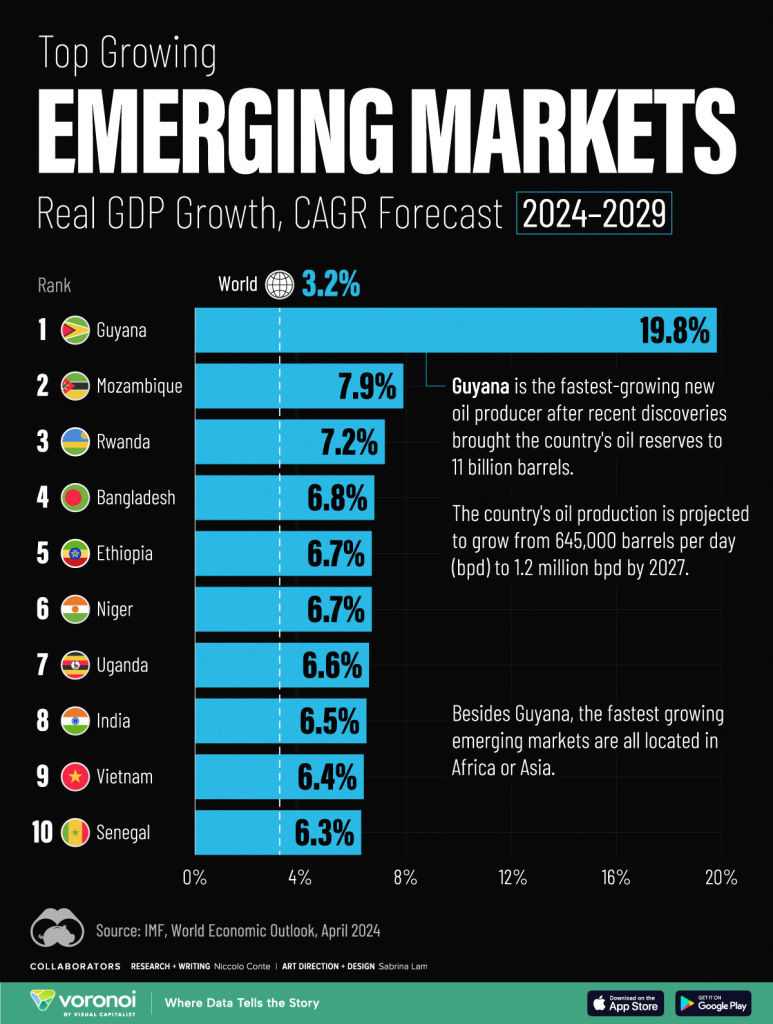
The global investment landscape is undergoing a significant transformation as we approach 2025, particularly for ESG investors who are increasingly focused on sustainable growth and corporate responsibility. Emerging markets (EM) and developed economies (DE) present distinct opportunities and challenges that could shape the returns of portfolios in the coming years. With inflationary pressures, fluctuating interest rates, and evolving policy frameworks, understanding these dynamics is crucial for making informed investment decisions.
Current Economic Context
The backdrop of rising inflation has been a defining characteristic of the post-pandemic recovery. In the U.S., consumer prices have surged, prompting the Federal Reserve to adopt a more hawkish stance on interest rates. As reported by Bloomberg, recent data indicates that inflation remains stubbornly high, with core CPI hovering around 4.7%. This environment creates a complex scenario for both EM and DE investments.
In developed economies, particularly in Europe and North America, central banks are grappling with the dual challenge of curbing inflation while supporting economic growth. The tightening monetary policy may lead to slower growth rates in these regions, which could impact corporate earnings negatively. Conversely, emerging markets have shown resilience amid these challenges; many countries are benefiting from commodity price increases driven by supply chain disruptions and geopolitical tensions.
Sectoral Opportunities: AI and Energy
Within this macroeconomic framework, sectoral trends reveal promising opportunities for ESG-focused investors. The technology sector—especially artificial intelligence (AI)—is poised for substantial growth across both EM and DE landscapes. According to CNBC, investments in AI technologies are expected to reach $500 billion globally by 2025 as companies seek innovative solutions to enhance productivity and sustainability.
Energy markets also present compelling narratives; however, they diverge significantly between EMs and DEs. While developed economies are transitioning towards renewable energy sources under stringent regulatory frameworks aimed at reducing carbon footprints, many emerging markets still rely heavily on fossil fuels due to economic constraints. This divergence poses an interesting dilemma: will investors prioritize immediate returns from traditional energy sectors or align with long-term sustainability goals through renewables?
Investment Flows: A Shift Towards Emerging Markets?
The flow of capital into emerging markets has been noteworthy over recent months. Institutional investors appear increasingly attracted to higher potential returns offered by EM equities compared to their developed counterparts. As highlighted by Reuters, inflows into emerging market funds reached $20 billion in Q3 2023 alone—a clear signal that confidence is building among investors seeking diversification amidst volatility.
This shift can be attributed not only to attractive valuations but also to favorable demographic trends within emerging economies where younger populations drive consumption patterns differently than aging demographics in developed nations. Furthermore, government initiatives aimed at enhancing infrastructure development provide additional catalysts for growth in these regions.
The Role of Policy Trends
Policy frameworks play a pivotal role in shaping investment landscapes across both categories of economies. In developed nations, regulatory measures focusing on environmental sustainability are becoming increasingly stringent; this trend compels companies to innovate or risk obsolescence. For instance, the European Union’s Green Deal aims for net-zero emissions by 2050—a target that will require substantial investment across various sectors.
On the other hand, many emerging markets are adopting more flexible approaches tailored towards rapid economic development while gradually integrating sustainable practices into their growth models. Countries like India and Brazil have initiated programs promoting green technology adoption without compromising immediate economic needs—an approach that resonates well with ESG principles while addressing pressing socio-economic issues.
Conclusion: Navigating Investment Choices
The decision between investing in emerging versus developed economies hinges upon multiple factors including risk tolerance, return expectations, and alignment with sustainability goals. While emerging markets offer potentially higher returns fueled by demographic advantages and resource availability, developed economies provide stability backed by established regulatory frameworks aimed at fostering sustainable practices.
As we move closer to 2025, it becomes imperative for ESG investors to weigh these considerations carefully against their investment philosophies—balancing short-term gains against long-term sustainability objectives will be key in navigating this complex landscape effectively.
For further market commentary on how macroeconomic trends influence your investment strategies moving forward, visit this link.