
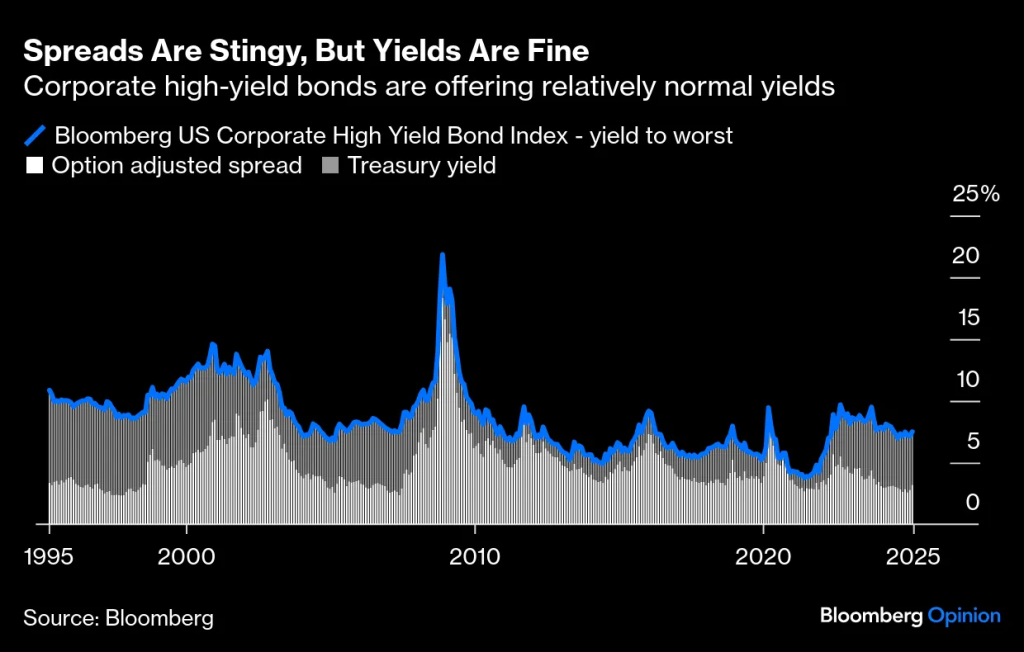
The recent surge in bond yields has sent ripples through the U.S. stock market, prompting a reevaluation of investment strategies among those still chasing low-risk returns. As the yield on the 10-year Treasury note climbed to levels not seen since early 2020, investors are grappling with the implications of rising interest rates and their potential impact on equity valuations. This shift is particularly relevant for ESG investors who prioritize sustainable growth while navigating an increasingly complex financial landscape.
According to Bloomberg, the yield on 10-year Treasuries rose above 4% recently, reflecting concerns over persistent inflation and a tightening monetary policy from the Federal Reserve. The Fed’s commitment to curbing inflation has led to a series of interest rate hikes, which have historically pressured equity markets as borrowing costs rise. For ESG-focused investors, this environment poses unique challenges as they seek opportunities that align with their values while also delivering competitive returns.
The current macroeconomic backdrop is characterized by elevated inflation rates, which have remained stubbornly high despite aggressive monetary policy measures. The Consumer Price Index (CPI) showed an annual increase of 3.7% in September, according to data from CNBC. This persistent inflationary pressure complicates investment decisions for those focused on sustainability and corporate responsibility, as higher costs can squeeze margins and impact profitability across sectors.
In addition to rising yields and inflation concerns, labor market dynamics also play a crucial role in shaping investor sentiment. Unemployment remains low at around 3.8%, but wage growth has not kept pace with inflation, leading to decreased purchasing power for consumers. This scenario raises questions about consumer spending patterns and their implications for companies operating within the ESG framework.
As bond yields rise, traditional safe-haven assets become more attractive relative to equities, particularly in sectors that may be more sensitive to interest rate fluctuations. For instance, technology stocks—often favored by ESG investors due to their innovation-driven business models—have faced increased volatility as higher discount rates diminish future cash flow valuations. The Nasdaq Composite Index has experienced significant fluctuations in recent months as investors reassess growth prospects amid changing economic conditions.
Moreover, sector rotation is becoming evident as institutional investors pivot towards value-oriented stocks that may offer better resilience against rising rates. Energy stocks have gained traction recently due to heightened demand and supply constraints exacerbated by geopolitical tensions and climate policies aimed at transitioning towards greener energy sources. According to Reuters, energy sector ETFs have seen substantial inflows as investors seek exposure to companies positioned for long-term growth amidst ongoing shifts toward sustainability.
This evolving landscape presents both risks and opportunities for ESG investors who must navigate these complexities while adhering to their principles of sustainability and social responsibility. As capital flows into sectors aligned with environmental goals—such as renewable energy or sustainable agriculture—the challenge lies in identifying companies that not only meet these criteria but also demonstrate resilience in a potentially volatile market environment.
Looking ahead, it is essential for ESG-focused investors to remain vigilant regarding macroeconomic indicators such as inflation trends and interest rate movements while maintaining a diversified portfolio that balances risk with potential returns. The current spike in bond yields serves as a wake-up call; it underscores the need for strategic adjustments in investment approaches that account for both financial performance and adherence to sustainable practices.
For further market commentary on how these trends might affect your investment strategy within the ESG framework, please visit our insights page here.