
In a world where central banks are often seen as the guardians of financial stability, Japan’s recent adjustments to its Yield Curve Control (YCC) policy have sent shockwaves through global bond markets. The sudden spike in the 10-year Japanese Government Bond (JGB) yield to 1.25% is not just a number; it’s a signal that reverberates across continents, igniting fears and reshaping investor sentiment.
The YCC tweak was subtle yet impactful, reminiscent of a butterfly flapping its wings in Tokyo leading to storms in New York. Investors, particularly those who had anchored their expectations on prolonged low rates, found themselves scrambling. A fund manager I spoke with remarked how he hadn’t witnessed such rapid sentiment reversal since the early days of the pandemic—a time when fear and uncertainty ruled the roost.
The Ripple Effect: From Tokyo to Wall Street
As JGB yields climbed, a wave of selling swept through global bond markets. The U.S. Treasury market felt this tremor acutely, with yields on 10-year notes rising sharply as well. This isn’t merely about interest rates; it’s about risk appetite shifting dramatically. According to data from the Bloomberg, institutional investors began reallocating funds away from growth stocks towards more stable value stocks almost immediately after the news broke.
This behavior can be explained through the lens of behavioral finance—specifically loss aversion and herding behavior. Investors tend to react more strongly to potential losses than gains, which explains why many rushed for cover at the first sign of trouble.
Narrative Economics at Play
The narrative surrounding Japan’s economy has long been one of stagnation and deflationary pressures. Yet here we are witnessing a shift that could redefine perceptions globally. The story now is about tightening monetary policy in an environment where many believed central banks would remain dovish indefinitely.
Market participants are notorious for confirmation bias; they cling to narratives that support their existing beliefs while dismissing contradictory evidence. In this case, many were anchored by years of ultra-low rates and failed to anticipate any significant changes coming from Japan—a classic case of cognitive dissonance playing out in real-time.
Institutional vs Retail Sentiment
The divergence between institutional and retail investors has never been more pronounced. While institutions quickly pivoted their strategies based on macroeconomic signals, retail investors remained largely oblivious until losses started piling up in their portfolios.
A recent report from EPFR highlighted that retail flows into equity funds have slowed significantly as these new investors grapple with volatility they didn’t expect when entering this market phase just months ago.
This disconnect raises questions about how prepared these novice investors really are for such shifts—shifts that seasoned players might view as mere bumps along an otherwise bullish road.
The Role of Liquidity and Risk Appetite
Liquidity conditions have also played a crucial role in shaping market dynamics post-YCC adjustment. With liquidity tightening globally due to rising interest rates and inflation concerns, risk appetite among both institutional and retail investors has begun to wane.
Data from the Federal Reserve indicates that credit spreads have widened considerably over recent weeks—a clear sign that lenders are becoming more cautious amidst growing uncertainties regarding economic growth prospects.
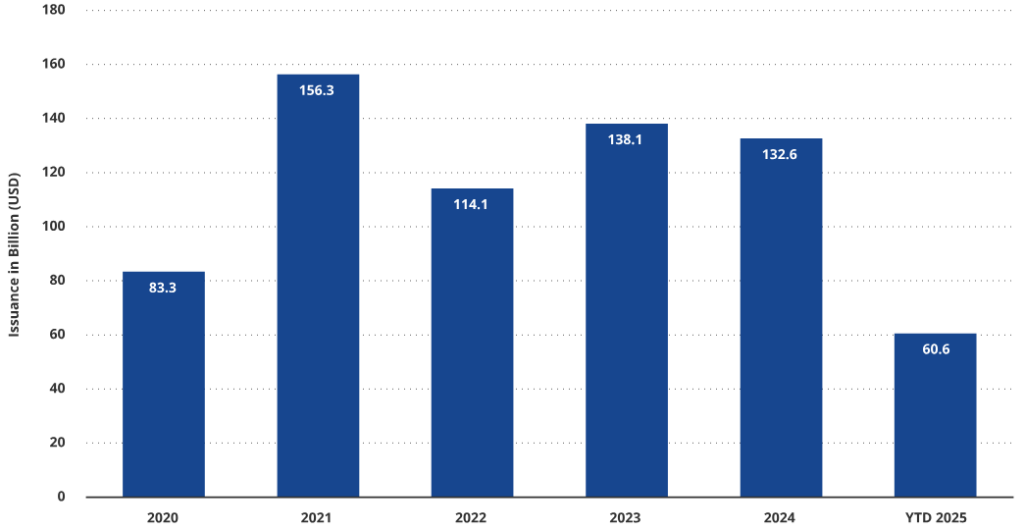
This caution is palpable; it reflects not only changing economic fundamentals but also psychological factors at play within financial markets—factors like fear-driven selling or FOMO (Fear Of Missing Out) influencing decisions made under duress rather than rational analysis.
Sector Disparities: Tech vs Energy
The impact of these shifts varies significantly across sectors too—technology stocks have taken a hit while energy shares have surged amid rising commodity prices driven by geopolitical tensions and supply chain disruptions exacerbated by COVID-19 fallout.
This sector rotation underscores another behavioral finance principle: recency bias, where investors overweight recent performance trends when making investment decisions without considering broader historical contexts or future implications.
A Cautionary Tale for New Investors
For those new entrants into investing—the so-called “millennials” or “Gen Z” crowd—it’s essential they understand these dynamics before diving headfirst into what appears attractive based solely on past performance metrics or social media hype surrounding certain stocks or sectors.
Anecdotally speaking, I’ve encountered numerous young investors who seem unaware of how quickly sentiment can shift based on macroeconomic developments like those we’re currently witnessing with Japan’s YCC adjustments—a stark reminder that investing isn’t just about numbers; it’s equally about psychology!
The Road Ahead: What Lies Beyond?
Looking ahead, one must wonder whether this rout will lead us back toward normalization—or if we’re simply witnessing another chapter in an ongoing saga characterized by volatility fueled by human emotion rather than rationality alone?
If history teaches us anything, it’s that markets often overshoot both ways during periods marked by uncertainty—and right now? Well… let’s just say there seems plenty left unsaid beneath all those headlines!
For further insights into navigating these turbulent waters effectively without succumbing entirely to emotional biases influencing decision-making processes daily visit here.