
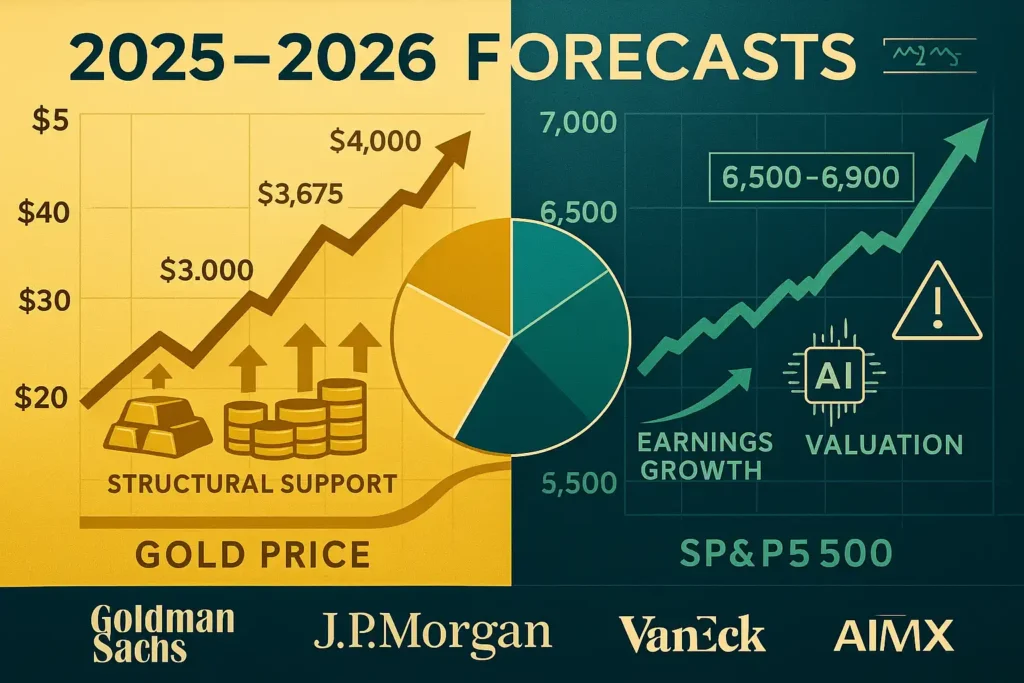
Market Dynamics Amid Inflationary Pressures
The recent surge in inflation fears has sent shockwaves through the U.S. stock market, prompting a wave of panic selling. Investors, concerned about rising prices and potential interest rate hikes, are increasingly turning to gold as a safe haven. This shift not only reflects immediate market sentiment but also underscores a broader trend in capital allocation towards sustainable investments, particularly in the context of environmental, social, and governance (ESG) criteria. As Bloomberg reported, the volatility in traditional equity markets is forcing investors to reassess their portfolios, especially in light of the ongoing energy transition and the implications for high-carbon industries.
Energy Transition and Valuation Repricing
The energy sector is at a critical juncture, with traditional fossil fuel companies facing increasing scrutiny and potential valuation adjustments. The Biden administration’s climate policies, including incentives for renewable energy and carbon pricing mechanisms, are reshaping the landscape. As companies pivot towards cleaner energy sources, those with robust ESG practices are likely to attract more capital. Analysis from Reuters suggests that firms demonstrating strong governance and sustainability metrics are better positioned to weather economic turbulence. This shift is evident in the growing interest in green bonds and ESG-themed funds, which have seen significant inflows despite broader market declines.
Institutional Investor Behavior and ESG Implications
Institutional investors are increasingly influenced by ESG considerations, driven by regulatory pressures and fiduciary responsibilities. The recent market turmoil has highlighted the importance of integrating sustainability into investment strategies. As noted by CNBC, funds that prioritize ESG criteria are experiencing a capital influx, as investors seek to mitigate risks associated with climate change and social governance issues. This trend is reshaping asset allocation strategies, with a noticeable shift away from high-carbon assets towards those aligned with sustainable practices. The implications for valuation are profound, as companies with strong ESG profiles may command a premium in the market.
Governance and Long-Term Strategic Outlook
Effective governance structures are becoming increasingly critical in determining a company’s resilience in volatile markets. Investors are scrutinizing board compositions and corporate strategies, favoring firms that demonstrate transparency and accountability. The focus on governance is not merely a trend; it reflects a fundamental shift in how capital is allocated. Companies that prioritize long-term sustainability are likely to benefit from enhanced investor confidence, which can translate into improved financial performance. The current environment necessitates a reevaluation of traditional valuation metrics, as the integration of ESG factors becomes essential in assessing risk and opportunity.
Conclusion: Navigating the ESG Landscape
As the U.S. stock market grapples with inflationary pressures and shifting investor sentiment, the ESG landscape is evolving rapidly. The flight to gold may signal a temporary retreat from equities, but it also highlights the growing importance of sustainable investment strategies. The interplay between policy, corporate behavior, and capital flows will continue to shape market dynamics. Investors must remain vigilant, recognizing that the future of capital allocation will increasingly hinge on ESG considerations. The current environment presents both challenges and opportunities for those willing to adapt to the changing landscape.
For a deeper understanding of sustainable capital allocation and long-term investment strategies, explore our insights on ESG trends and opportunities in the market. Join our community for more in-depth analysis and discussions on sustainable investing. Join here.