
Current Labor Market Dynamics
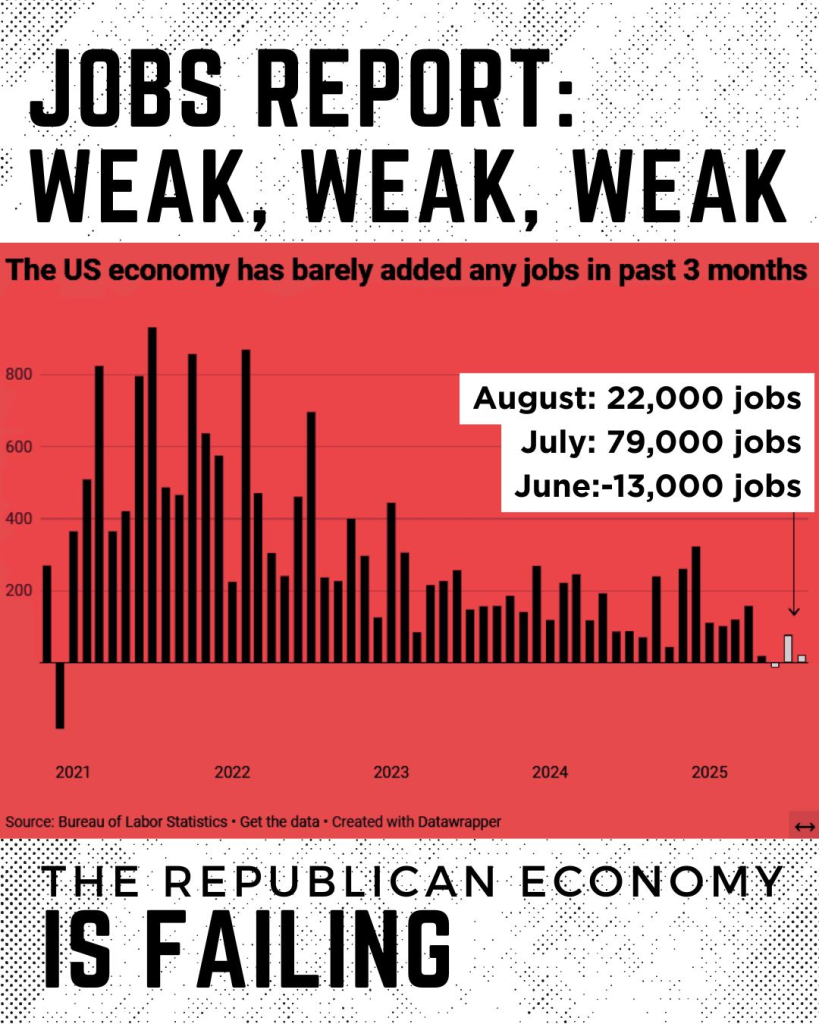
The recent decline in unemployment rates across the United States has been a beacon of hope for many economists and investors alike. As of September 2023, the unemployment rate fell to 3.5%, a figure that suggests a robust labor market recovery following the pandemic-induced disruptions. However, while these numbers are encouraging, they prompt critical questions about job quality and sustainability—issues that resonate deeply with ESG investors who prioritize not just economic growth but also social responsibility and environmental stewardship.
According to Bloomberg, the labor force participation rate remains relatively stagnant at around 62.4%. This indicates that while jobs are being created, many potential workers remain on the sidelines, possibly due to skills mismatches or other barriers to employment. The disparity between job quantity and quality raises concerns about whether these new positions provide adequate wages and benefits necessary for long-term economic stability.
Sectoral Shifts and Job Quality
The nature of job creation is another crucial aspect to consider. Recent data shows significant growth in sectors such as technology and renewable energy—areas that align well with sustainable investment principles. For instance, jobs in clean energy have surged by over 20% year-on-year as companies pivot towards greener practices amid increasing regulatory pressures and consumer demand for sustainability.
However, not all sectors are experiencing this positive trend equally. Traditional industries like manufacturing have seen slower growth rates despite overall employment gains. Many of these roles offer lower wages compared to their tech counterparts, which could exacerbate income inequality—a key concern for socially conscious investors.
Inflationary Pressures and Wage Growth
The backdrop of rising inflation complicates this landscape further. With inflation hovering around 4%, real wage growth has been minimal for many workers. According to CNBC, average hourly earnings have only increased by approximately 3% over the past year when adjusted for inflation. This stagnation raises alarms regarding purchasing power among consumers, which could ultimately affect corporate profitability across various sectors.
Moreover, Federal Reserve policies aimed at curbing inflation through interest rate hikes may inadvertently stifle job creation in more vulnerable sectors. As borrowing costs rise, businesses may hesitate to expand or invest in new projects that would create additional jobs—an outcome that could hinder progress toward achieving full employment.
Investment Opportunities Amidst Uncertainty
For ESG-focused investors, navigating this complex environment requires a keen understanding of both macroeconomic trends and sector-specific dynamics. The ongoing transition towards sustainable practices presents unique opportunities within green technologies and infrastructure investments. Companies leading in carbon reduction initiatives or those innovating in energy efficiency stand poised for substantial growth as public policy increasingly favors sustainability.
Furthermore, firms that prioritize employee welfare through fair wages and comprehensive benefits packages may attract top talent while enhancing their reputational capital—a vital component in today’s socially aware marketplace.
The Road Ahead: Balancing Growth with Responsibility
The current labor market scenario underscores an essential truth: while unemployment rates may be declining, it is imperative to scrutinize the quality of jobs being created alongside them. Investors must remain vigilant about how economic policies impact not just financial returns but also broader societal outcomes.
This dual focus on profitability and social responsibility aligns seamlessly with ESG principles—an approach increasingly favored by institutional investors seeking long-term value creation amidst evolving market conditions.