
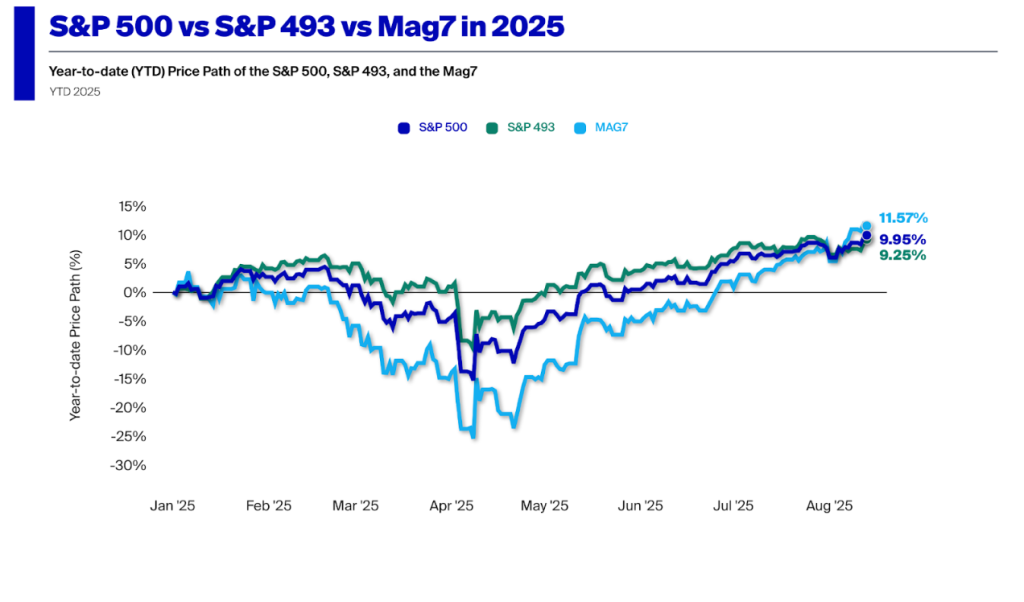
As we navigate through the complexities of the current U.S. stock market, it becomes increasingly evident that a significant divide is emerging between growth and value investing. The tech giants, with their robust earnings and innovative capabilities, are not just leading the charge in growth; they are redefining what it means to invest in a value-driven environment. Recent macroeconomic indicators suggest that while inflationary pressures persist and interest rates remain elevated, investor sentiment is shifting towards companies that can demonstrate sustainable growth amidst uncertainty.
According to Bloomberg, the technology sector has shown resilience even as broader market indices experience volatility. The S&P 500 has seen fluctuations driven by concerns over Federal Reserve policies aimed at curbing inflation, which have led to increased borrowing costs. Yet, tech stocks like Apple and Microsoft continue to report strong quarterly earnings, showcasing their ability to thrive despite economic headwinds. This divergence raises questions about how long this trend can last and whether investors should pivot their strategies accordingly.
The recent earnings season has underscored this dynamic. Companies such as Alphabet and Amazon have posted impressive revenue growth fueled by advancements in artificial intelligence and cloud computing services. These sectors are not only driving innovation but also attracting substantial capital inflows from institutional investors seeking exposure to high-growth opportunities. As noted by CNBC, AI-related stocks have surged as firms integrate these technologies into their operations, enhancing productivity and efficiency.
However, it’s essential to consider the broader implications of this shift towards tech-centric investments. With rising interest rates potentially dampening consumer spending power, there is an increasing risk that even the most robust tech companies could face challenges if economic conditions worsen. The dichotomy between growth-oriented tech stocks and traditional value sectors like energy or financials highlights a critical juncture for investors: should one chase high-flying tech stocks or seek refuge in undervalued assets?
The energy sector presents an intriguing case study in this context. While oil prices have fluctuated due to geopolitical tensions and supply chain disruptions, companies within this space are beginning to adopt more technology-driven approaches to enhance operational efficiencies. As reported by Reuters, many energy firms are investing heavily in renewable technologies alongside traditional fossil fuels, aiming for a balanced portfolio that appeals to environmentally conscious investors.
Moreover, the dollar’s strength plays a pivotal role in shaping market dynamics as well. A stronger dollar typically weighs on commodities priced in dollars while benefiting importers who can purchase goods at lower costs abroad. This scenario complicates investment decisions across various sectors as currency fluctuations impact profitability margins differently depending on geographic exposure.
In light of these factors, retail investors must carefully assess their positions within this evolving landscape. The allure of tech giants may be tempting; however, diversification remains crucial amid potential market corrections spurred by macroeconomic shifts or regulatory changes affecting big-tech firms.
As we look ahead toward future earnings reports and economic data releases, it will be vital for investors to stay informed about both macro trends and sector-specific developments that could influence stock performance significantly.
For further market commentary on how these trends might affect your investment strategy moving forward, feel free to explore our insights at this link.