
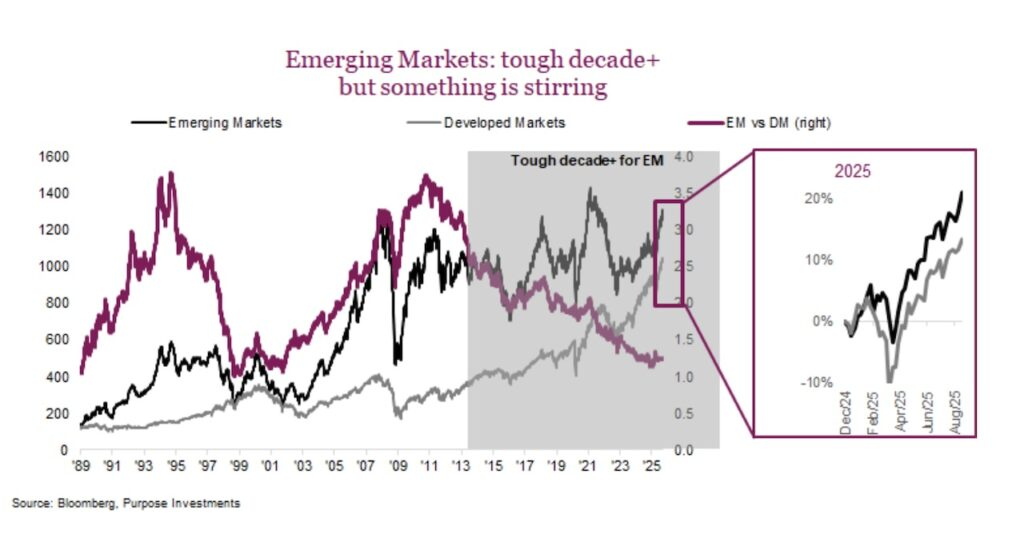
The U.S. dollar has long been a cornerstone of global finance, and its strength or weakness can significantly influence market dynamics, particularly for emerging markets (EMs). As we navigate through the complexities of 2023, characterized by fluctuating inflation rates and shifting monetary policies, the interplay between dollar strength and emerging markets is becoming increasingly critical. Recent data indicates that the U.S. dollar index has shown resilience, hovering around levels not seen since early 2020, which raises questions about how this will affect capital flows into EMs.
Emerging markets have historically benefited from a weaker dollar; it allows for cheaper borrowing costs in local currencies and enhances export competitiveness. However, as Bloomberg recently reported, many EMs are currently grappling with rising interest rates in the U.S., which could lead to capital outflows as investors seek higher yields domestically. The Federal Reserve’s stance on interest rates remains hawkish amid persistent inflation concerns, complicating the outlook for these economies.
The Current Landscape: Inflation and Interest Rates
Inflation in the U.S. has remained stubbornly high, prompting aggressive rate hikes from the Fed. This tightening cycle has resulted in increased volatility across asset classes. According to CNBC, consumer prices rose by 4% year-over-year as of August 2023, indicating that inflationary pressures are still present despite some signs of moderation. The Fed’s commitment to controlling inflation may further strengthen the dollar as it signals confidence in economic stability.
This environment poses challenges for emerging markets that rely heavily on foreign investment to fuel growth. Countries like Brazil and India have seen their currencies depreciate against a stronger dollar, leading to higher import costs and potential trade deficits. Investors are closely monitoring these developments as they assess risk exposure within their portfolios.
Sector Performance: Technology vs. Energy
The technology sector has been a significant driver of U.S. equity performance over recent years, buoyed by advancements in artificial intelligence (AI) and digital transformation initiatives across industries. However, with rising interest rates impacting valuations—especially for high-growth tech stocks—the sector faces headwinds moving forward.
Conversely, energy stocks have gained traction amidst geopolitical tensions and supply chain disruptions affecting oil prices globally. The ongoing conflict in Eastern Europe continues to create uncertainty around energy supplies, pushing prices upward and benefiting producers within this sector.
As highlighted by Reuters, institutional investors are increasingly favoring energy equities over tech stocks due to their perceived stability during turbulent economic times. This shift reflects broader market sentiment regarding risk management amid potential recession fears fueled by tighter monetary policy.
Investment Opportunities Amidst Dollar Strength
Despite challenges posed by a strong dollar, there remain pockets of opportunity within emerging markets that savvy investors can capitalize on. For instance, countries with robust commodity exports may benefit from elevated global prices driven by supply constraints—particularly those related to energy resources.
Additionally, sectors such as consumer staples and healthcare within EMs often exhibit resilience during downturns due to consistent demand patterns regardless of economic conditions. These sectors may provide attractive entry points for investors seeking diversification away from traditional U.S.-based equities.
The Road Ahead: Navigating Uncertainty
The path forward remains uncertain as various factors converge—interest rate decisions from central banks worldwide will play a pivotal role in shaping market dynamics going into 2024. Traders must remain vigilant regarding macroeconomic indicators while also considering geopolitical developments that could impact both currency valuations and investor sentiment towards emerging markets.
I’ve observed phases where traders hesitate despite rising liquidity; this time may be no different if uncertainties persist surrounding global growth prospects alongside domestic policy shifts here at home.
For further market commentary on how these trends might evolve or impact your investment strategy moving forward, please visit our insights page here.