
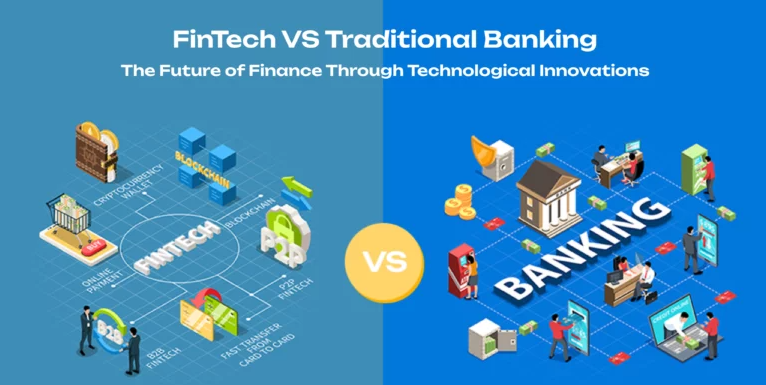
The rapid integration of cryptocurrency within the financial technology (FinTech) sector has become a focal point of discussion among investors and industry analysts alike. As traditional banks grapple with the implications of digital currencies, the U.S. stock market finds itself at a crossroads, teetering between innovation and regulatory caution. For middle-class investors, particularly those aged 28 to 45 with a few years of investment experience, understanding this dynamic is crucial for navigating current market trends and identifying viable investment opportunities.
The Current Landscape: Cryptocurrency Meets FinTech
In recent years, cryptocurrencies have transitioned from niche assets to mainstream financial instruments. This evolution is largely driven by advancements in blockchain technology and increasing consumer acceptance. According to a report by Bloomberg, the total market capitalization of cryptocurrencies surpassed $2 trillion in 2021, reflecting growing investor interest. Major players in the FinTech space, such as Square and PayPal, have begun integrating crypto services into their platforms, allowing users to buy, sell, and hold digital currencies directly.
This shift presents both opportunities and challenges for traditional banks. On one hand, they can leverage these developments to enhance their service offerings; on the other hand, they risk losing customers to more agile FinTech competitors that provide seamless access to cryptocurrency trading.
Macro Factors Influencing the Market
The macroeconomic environment plays a pivotal role in shaping the U.S. stock market’s response to cryptocurrency integration. Inflation rates are climbing, prompting speculation about future Federal Reserve policies. As inflation continues to rise, some investors view cryptocurrencies as a hedge against currency devaluation. The CNBC reported that Bitcoin has increasingly been perceived as “digital gold,” attracting institutional investors seeking alternative assets amid economic uncertainty.
Moreover, fluctuating interest rates further complicate this landscape. As rates rise or fall based on Federal Reserve actions, asset valuations across sectors—including tech stocks and energy—are impacted. Investors must remain vigilant about how these changes affect their portfolios, especially when considering investments in cryptocurrency-related stocks or ETFs.
Industry Rotation and Structural Changes
The integration of cryptocurrency into FinTech is not merely an isolated phenomenon; it signals broader structural changes within financial markets. The rise of decentralized finance (DeFi) has introduced new paradigms for lending and borrowing that bypass traditional banking systems altogether. This shift could potentially disrupt established revenue streams for banks while creating new avenues for investment in DeFi projects.
Institutional flows into cryptocurrency markets have surged as firms like Morgan Stanley begin offering crypto exposure through their investment products. The Reuters reports that significant capital inflows into crypto-focused ETFs indicate a growing appetite among retail investors for diversified exposure to digital assets.
Investment Opportunities Amidst Risks
The confluence of cryptocurrency and FinTech presents unique investment opportunities across various sectors. Tech stocks related to blockchain technology are gaining traction; companies developing infrastructure for digital currencies stand poised for growth as adoption increases. Additionally, ETFs focused on cryptocurrency can offer a diversified approach for cautious investors seeking exposure without direct involvement in volatile assets.
However, it is essential to acknowledge the inherent risks associated with these investments. Regulatory scrutiny remains high; any adverse government action could significantly impact market sentiment and asset valuations. Moreover, the volatility characteristic of cryptocurrencies poses substantial risks even for seasoned investors.
A Balanced Perspective: Future Outlook
As we look ahead, the interplay between traditional banking institutions and emerging cryptocurrencies will likely define the next phase of financial evolution. Investors should consider both sides of this double-edged sword—recognizing the potential benefits while remaining aware of regulatory challenges and market volatility.
For middle-class investors balancing time management with investment strategies, prioritizing education around these trends is paramount. Keeping abreast of institutional perspectives—such as those from Goldman Sachs or JPMorgan—can provide valuable insights into market movements influenced by cryptocurrency integration.
Conclusion: Navigating Change with Insight
The ongoing transformation within FinTech heralds significant implications for traditional banking structures and investment landscapes alike. By understanding these dynamics and remaining adaptable to changing conditions, investors can position themselves effectively within this evolving market context.
If you’re looking to deepen your understanding of these trends or connect with like-minded individuals navigating this complex environment, consider joining our community where we share insights on investment strategies tailored for today’s economic landscape: Join us now!