
In today’s rapidly evolving financial landscape, the integration of Artificial Intelligence (AI) into investment strategies is prompting a re-evaluation of traditional metrics. For ESG investors, particularly those aged 25 to 50 with a solid investment background, understanding these shifts is critical. As we navigate the complexities of the U.S. stock market, it is essential to assess whether long-standing valuation methods can withstand the disruptive force of AI technologies.
The Changing Dynamics of Investment Metrics
Historically, value investing has relied heavily on metrics such as Price-to-Earnings (P/E) ratios, Dividend Yield, and Book Value. These parameters have served as essential indicators of a company’s financial health and its potential for growth. However, with the advent of AI, especially in sectors like technology and energy, the landscape is shifting. AI-driven insights can analyze vast amounts of data in real-time, revealing patterns and trends that traditional metrics may overlook.
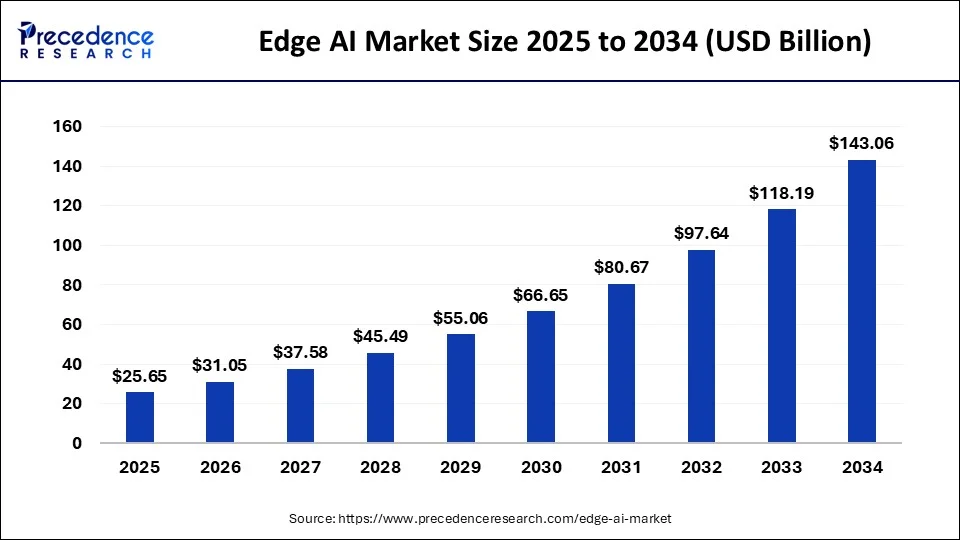
According to a report by Bloomberg, AI is expected to contribute over $15 trillion to the global economy by 2030. This growth signals a shift toward companies that leverage AI for operational efficiency and innovation. As ESG investors, focusing on firms that prioritize sustainability alongside technological advancement could present lucrative investment opportunities.
Opportunities in ESG and AI Integration
One of the most promising areas lies in the intersection of ESG factors and AI innovation. Companies that incorporate green technologies or sustainable practices while utilizing AI can drive significant value. For instance, firms in the renewable energy sector are increasingly adopting AI to optimize energy consumption and enhance grid management. This not only aligns with societal values but also offers potential financial returns.
Moreover, institutional flows have begun favoring these innovative companies. As highlighted by Reuters, funds dedicated to ESG investments have seen record inflows, suggesting a strong appetite among investors for sustainable growth. This trend indicates that traditional metrics may need to be redefined to capture the evolving landscape accurately.
Rethinking Value with a Forward-Looking Perspective
Investors should consider adopting a more holistic view when evaluating companies. This perspective involves looking beyond traditional metrics and assessing a company’s potential through the lens of technological adoption, environmental impact, and social responsibility. Metrics such as ESG ratings and AI implementation strategies can provide deeper insights into a company’s future prospects.
For instance, tech stocks leading in AI integration are often valued higher than their peers, even if traditional metrics suggest they are overpriced. The market’s focus on future growth potential reflects a broader acceptance of new valuation paradigms—one that ESG investors should embrace as they make investment decisions.
Conclusion: Embracing Change in Investment Strategies
The current U.S. stock market is at a pivotal moment where traditional value investing metrics may no longer suffice. The integration of AI into business models is not just a passing trend; it represents a fundamental shift in how value is created and assessed. ESG investors must adapt by considering new metrics that reflect this evolution, ensuring they are not left behind in an increasingly competitive landscape.
This transition presents both opportunities and challenges for investors looking to align their portfolios with sustainable practices while capitalizing on technological advancements. As we move forward, staying informed and agile will be key to successful investing in the age of AI.