
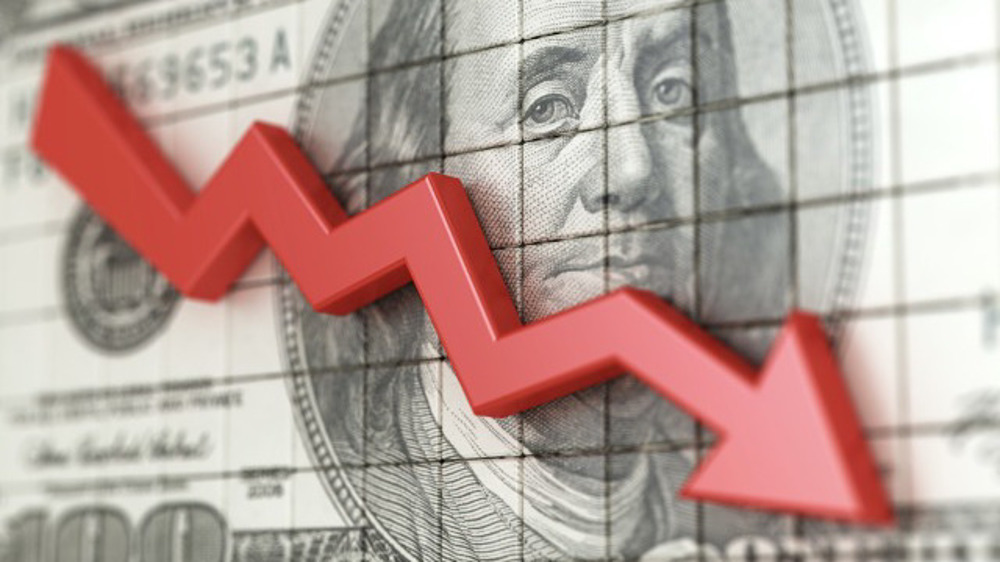
As the U.S. dollar’s long-standing dominance shows signs of wavering, growth-oriented investors must consider the implications for their currency exposure strategies. With the backdrop of fluctuating interest rates and changing geopolitical dynamics, understanding the dollar’s trajectory is crucial for maximizing investment opportunities. In this article, we will delve into the current market logic and examine how shifts in currency valuation could present both risks and opportunities for investors aged 25-40, particularly those with 2-4 years of experience in the market.
The Current Landscape of Currency Dynamics
Historically, the dollar has been viewed as a safe haven, bolstered by its status as the world’s primary reserve currency. However, recent trends suggest that this dominance may be challenged as central banks globally adjust their monetary policies. For instance, the Federal Reserve’s recent decisions on interest rates and inflation targets are influencing not only domestic but also international currency valuations. According to Bloomberg, a weakened dollar could have profound effects on commodity prices and foreign investment flows.
Impact on Investment Opportunities
For growth investors, these currency fluctuations can signal a shift in sector dynamics. The energy sector, for example, often experiences increased volatility when the dollar weakens, which can lead to rising oil prices. Additionally, as emerging markets look to diversify away from the dollar, sectors such as technology and renewable energy may see increased investment flows. Institutions are reportedly reallocating funds towards tech stocks and AI-related companies, as these areas stand to benefit from favorable currency conditions.
Rethinking Your Strategy
With these changes in mind, it is essential for investors to reassess their currency exposure strategies. Diversifying into non-dollar assets or currencies that may appreciate against the dollar could hedge against potential losses. ETFs focusing on international stocks or commodities priced in foreign currencies may offer an attractive alternative. Additionally, monitoring institutional flows and market sentiment can provide insights into potential turning points that could impact your portfolio.
In conclusion, the faltering dominance of the dollar presents a unique opportunity for growth-oriented investors to rethink their strategies. By staying informed about macroeconomic trends and aligning your investment choices with sectoral shifts, you can position yourself advantageously in this evolving market landscape.
Don’t miss out on exclusive insights that could transform your investment strategy! Join our community of savvy investors today and gain access to real-time updates, expert analysis, and invaluable networking opportunities. Be part of a thriving investment community by clicking here!